

The Recovery Project
Addiction may not be a choice,
but recovery is
What is the Recovery Project?
The Recovery Project in Worthing offers 31 bed spaces for people experiencing homelessness who are living with drug or alcohol addictions and are motivated to take steps toward change. Residents describe it as a positive, empowering place with a strong sense of community.
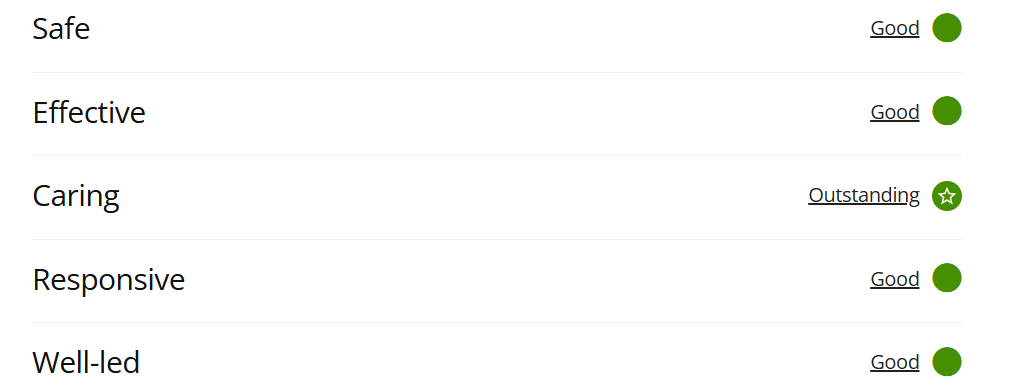
We balance the need for a safe, abstinent environment with a flexible, trauma-informed approach. The project is registered with the Care Quality Commission, rated Good overall with Outstanding for caring. It’s staffed 24 hours a day, with regular drug and breath testing to help maintain abstinence. We work positively with lapses, seeing them as a learning opportunity, and adopting a harm minimisation approach, recognising that recovery is rarely a straight line. Many residents live with the effects of trauma or poor mental health, so our support is designed to be compassionate, flexible and realistic, giving people agency to explore their own recovery pathway. Connection – with peers, staff and wider services – is fundamental, and the Recovery Project is the only Turning Tides service where children can visit, helping to maintain family relationships and support long-term change.
Often referred to as Delaney House, the Recovery Project opened in 2006 in response to gaps in local services. At the time, most hostels excluded people with alcohol dependencies. Pat Delaney, a well-known figure in the local street community, was unable to access support due to his addiction and died shortly afterwards. This building was named in his memory, reflecting our belief that everyone deserves access to support. Today, the Recovery team also manages a four-bed abstinent move-on house in Worthing, giving residents the opportunity to live independently as they continue their recovery journey.

Residents and staff from the Recovery Project bravely abseiled down the Spinnaker Tower to raise funds for our services
What support do we offer?
Support at the Recovery Project is tailored to the individual and evolves as their needs change. Some residents benefit from structured therapeutic work, while others need more practical help – attending appointments, completing forms, applying for grants or managing debt. We promote different recovery models, not just the 12-step approach, so people can find what works best for them.
Our team includes a qualified social worker, nurse practitioner, group work coordinator and substance misuse workers, supported by volunteers who bring skills in areas such as debt advice, cooking, gardening, art and more. This support from staff and the community underpins a series of specialised programmes designed to address the specific challenges of recovery.
Managed Alcohol Withdrawal programme (MAW)
One of our most distinctive services is the Managed Alcohol Withdrawal programme (MAW). If someone is physically dependent on alcohol, stopping suddenly can be fatal. While the usual route is a medicated detox in a clinical setting, we offer something different: a gradual, structured reduction of alcohol without medication. This approach – the only one of its kind in West Sussex, and one of few in the country – has been pioneered here since 2008.
For people using drugs, we don’t provide detox services directly but work closely with our partner Change Grow Live (CGL). Unlike some purely abstinence-based rehabs, we can support people who are prescribed Opiate Substitute Treatment, such as methadone, as part of their recovery journey.
Keywork and group work
Alongside other support, we run a programme of structured keywork and group sessions. Our group work is both therapeutic and practical – ranging from process groups where clients lead the discussion, reflecting on their experiences and emotions – to workshops on relapse prevention, emotional regulation and Dialectical Behaviour Therapy (DBT). Clients are expected to take part in group work during their first 28 days, helping them build confidence and routine.
Peer support
Another cornerstone of the project, peer support can take many forms. New residents are paired with a ‘buddy’ who has lived in the community for at least three months, helping them settle in and feel at home. Informal peer support happens naturally, growing from the sense of community and mutual encouragement among residents.
The outcomes speak for themselves: many residents go on to regain employment, reconnect with family and rediscover their talents and strengths. Addiction may have been part of someone’s life but it does not define their future.
Life in the Recovery community
Life at the Recovery Project is about more than a safe place to live – it’s about being part of a supportive community where everyone has a voice. Clear boundaries and a shared Community Charter make sure that all residents understand expectations, rights and responsibilities.
Coproduction is central to how the project runs. Residents work alongside staff to shape the service, from sitting on interview panels to developing drug testing protocols. Every policy and agreement is created together so the Recovery Project reflects the needs and values of the people who live here. Beyond this, residents have contributed to Turning Tides’ wider work and even to West Sussex County Council’s drug and alcohol strategy through focus groups, helping to influence change at a local level.
Each evening, residents come together for a communal meal, cooked in rotation, and household chores are organised on a rota. An 11pm curfew means structure and stability, while still allowing residents freedom and personal responsibility. Alongside these routines, a variety of activities support wellbeing and recovery, including weekly guided mindfulness sessions, gardening with a volunteer and other creative opportunities that foster purpose and connection.
We place a strong emphasis on volunteering, training and pathways into paid employment. Recovery coaching and peer-led roles allow people to give back, become ambassadors in their communities and show how lived experience can be a powerful asset.


Practicalities from arrival to aftercare
People come to the Recovery Project through a variety of routes – including community hubs, Outreach teams, local authorities and partner agencies such as CGL. Referrals are carefully assessed to make sure the project is the right environment and there can sometimes be a waiting list.
New residents begin with a 28-day contract, in which they’re expected to engage positively with their key worker, attend group sessions and show commitment to recovery. Progress is regularly reviewed, and if the project isn’t the right fit – for example, due to continued substance use or disengagement – we work with individuals to find alternative placements. After this initial period, residents move onto a rolling three-month licence, with a clear process in place for managing breaches of the abstinence agreement.
The Recovery Project is a commissioned service under the West Sussex Drug and Alcohol Action Team (DAAT) and works closely with Stonepillow, Emerging Futures and other partners. Network coaches with lived experience help guide residents at referral and through transitions, linking them to wider community support.
While the expectation is a stay of up to 12 months (with a target of moving on within 9), the length of stay depends on individual needs. Support continues beyond residency through a weekly aftercare group, giving former residents the chance to stay connected, share experiences and offer peer support to those in the project.
“The day I moved into the Recovery Project, I fell to my knees. People won’t believe me. This is a guy that’s done some damage and blamed everyone for everything. I knew I had to somehow get this chip off of my shoulder that I’d been carrying for a long time. So I started to engage with the staff and with a 12 step fellowship. Everything I’ve lost, I gained tenfold since that day. I’ve been cradled by Turning Tides and the staff at the Recovery Project from the moment I walked in to the moment I left. I started to engage with a Turning Tides counsellor called Sam. She was brilliant. She got to the point, but really encouraged me.” – Jamie
“To all staff, I just wanted to say a huge thank you! I came here very mentally and physically unwell. I am now very much a better person and feel happy and grateful being sober. Thank you for all of you for your support and kindness, I feel able to approach any of you should I need it and I know I will be listened to and supported. All in all the Recovery Project here really has saved my life!” – M