

About Homelessness
Understanding the causes, how we help and why compassion matters
Homelessness isn’t always what people imagine, and in West Sussex it often remains hidden. Across our coastal towns, market centres and rural communities, many people are living in unstable or unsafe situations that go unnoticed. The reality is shaped by a growing shortage of affordable homes, long waits for social housing and increasing pressure across the private rented sector. Pressures can be particularly felt in areas such as Arun and Worthing, where housing insecurity and homelessness continue to rise.
The Issues
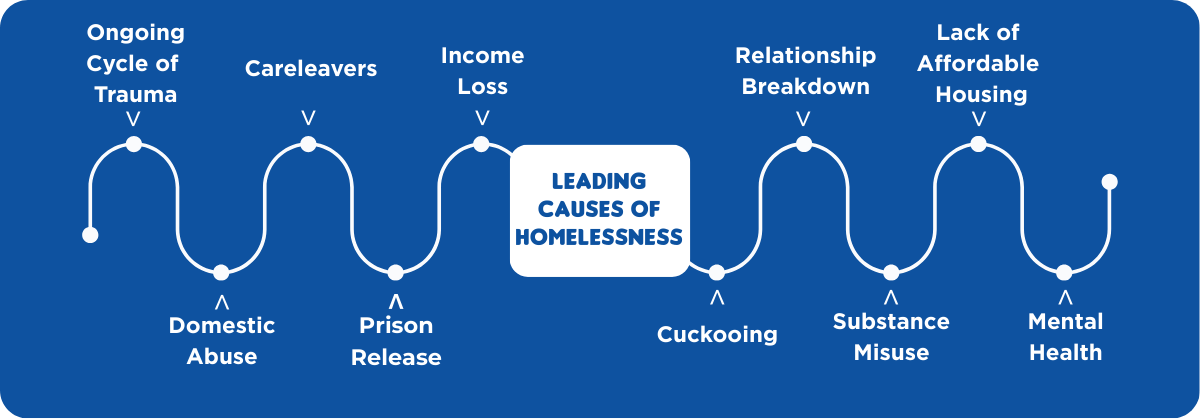
Behind these housing challenges sit broader issues affecting people across the county. Many residents are struggling with poor mental health, addiction, trauma or long‑term health conditions, all of which can make it harder to keep a home or find one in a competitive market. Local evidence shows that people experiencing homelessness also face overlapping disadvantages and higher health inequalities, reinforcing a cycle that is difficult to break without the right support. At the same time, the shrinking availability of genuinely affordable rental homes and rising costs mean that even those ready to move forward can find themselves with very few options.
These pressures don’t only affect those in our towns. Rural communities across Sussex have also seen rising homelessness and longer waiting lists, with more people at risk of hidden rough sleeping or unsafe living conditions in isolated areas. Empty homes and the long‑term undersupply of new affordable housing further widen the gap between need and availability, leaving increasing numbers of local people without a stable place to live.
Through this page, we want to bring clarity to what homelessness looks like in West Sussex, why it happens and how decisions are made. By explaining local connection, housing rights, the causes of homelessness and the services available, we aim to make the system more transparent and help people understand that homelessness rarely stems from personal failure but from structural pressures that affect whole communities.
What Do We Mean by Homelessness?
Homelessness is not just about sleeping rough. It covers a wide range of situations including sofa surfing, living in overcrowded or substandard homes or squatting and it affects many different people.
Under the Housing Act 1996, a person is considered homeless if any of the following apply:
- They have no accommodation available for them to live in.
- They are at risk of violence or domestic abuse in their current home.
- They have accommodation, but it is not reasonable for them to continue living there.
- They have accommodation but cannot access or secure entry to it.
- They have no legal right to occupy the place where they are staying.
- They live in a mobile home or houseboat but have no lawful place to station it or reside in it.
The definitions of homelessness and threatened homelessness are covered in Chapter 6 of the Homelessness Code of Guidance.
What Is a Local Connection?
In England, people requesting homelessness support from a local authority are usually required to have a Local Connection to the area.
If an applicant does not have a Local Connection to the area where they apply, they may be referred to an authority where they do have one.
A person can be assessed as having a Local Connection for the following reasons:
- You are an ordinary resident of the area you are applying to.
- You are currently employed in the area you are applying to.
- You have close family members in the area with their own established local connection.
- You are leaving care.
- If the Local Authority decides to extend Special Circumstances that allow them to grant you a Local Connection.
For a more detailed overview of how Local Connection is assessed please see Chapter 10 of the Homelessness Code of Guidance.
Homelessness Decisions
A local authority can make several decisions that affect what support you get if you experience homelessness.
Priority Need
Priority Need is a special reason that can be applied to your circumstances. This means the council will give you additional support. You will always have priority need if:
- you or someone you live with is at risk of abuse from a partner, ex or family member
- you or someone you live with in your household is pregnant
- your dependent children live with you
- you and your household become homeless because of things like fire, flood or other disasters beyond your control.
If these situations don’t apply to you, you can could still be classed as vulnerable and have a Priority Need if you can evidence that you would be a greater risk than most if you become homeless.
Prevention Duty
Prevention Duty is a decision the local authority makes when it is satisfied that someone is threatened with homelessness and is eligible for assistance. This duty requires the local authority to ‘take reasonable steps to help the applicant to secure that accommodation does not cease to be available.’ The Homelessness Code of Conduct suggests an authority first focuses on steps which may enable the applicant to stay in their currant home.
Relief Duty
If a local authority is satisfied that an applicant is eligible and homeless it owes them the relief duty. This means the local authority must take reason steps to help the homeless application to secure suitable accommodation becomes available for their occupation for at least six months.
Relief duty ends automatically after 56 days if the local authority is satisfied that the applicant has a priority need and is not intentionally homeless.
Main Duty
Main housing duty applies when means that a local authority has a duty to provide temporary accommodation until such time as the duty ends either by an offer of settled accommodation or for another specific reason.
Intentionally Homeless
Intentional homeless is a legal decision that means the local authority believes that you are homeless due to your actions and decisions rather than circumstances that are out of your control. Actions that could lead to an intentionally homeless decision include:
- Failing to pay rent if the local authority believes you could afford it.
- Engaging in anti-social behaviour that directly leads to eviction.
- Rejecting reasonable offers of housing or not taking up offers that could provide stable accommodation.
Appealing A Decision
If you disagree with the decision your local authority has made in terms of your homelessness application, the letter outlining the decision is information on how to appeal and the time frames in which to respond. Turning Tides staff members are available to support with helping you put together an appeal and making sure it reaches the local authority.
Rural Homelessness In West Sussex
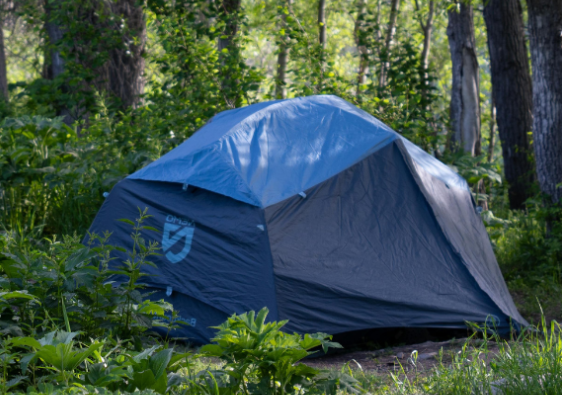
Rural homelessness is often invisible and fundamentally different from urban homelessness. In rural areas, people experiencing homelessness are spread across vast geographic regions. This makes individuals extremely hard to find, even when we know their approximate location. Limited public transport, such as the lack of bus services, creates major barriers to accessing help. Unlike our other service areas such as Adur, Worthing and Littlehampton where services are concentrated, rural areas have long distances between support points, leaving people living in tents in remote areas, cars parked in lay-bys or other isolated spots.
Even reaching the council for initial support is a challenge, due to lack of internet access or poor phone signal, so we often have to go out to them. Our work relies heavily on community reporting and StreetLink alerts, combined with coordinated outreach. After that, to access accommodation, like SWEP, requires physical presentation at the council’s offices and then emergency accommodation is usually out of area. This can lead to people refusing placements. If someone does accept an out of area placement, accessing vital support like daily prescriptions from CGL can be impossible without transport.
Ultimately, rural homelessness is shaped by isolation, lack of affordable housing and limited infrastructure, making it a deeply hidden and uniquely difficult issue to address.
Services We Provide
Community Hubs
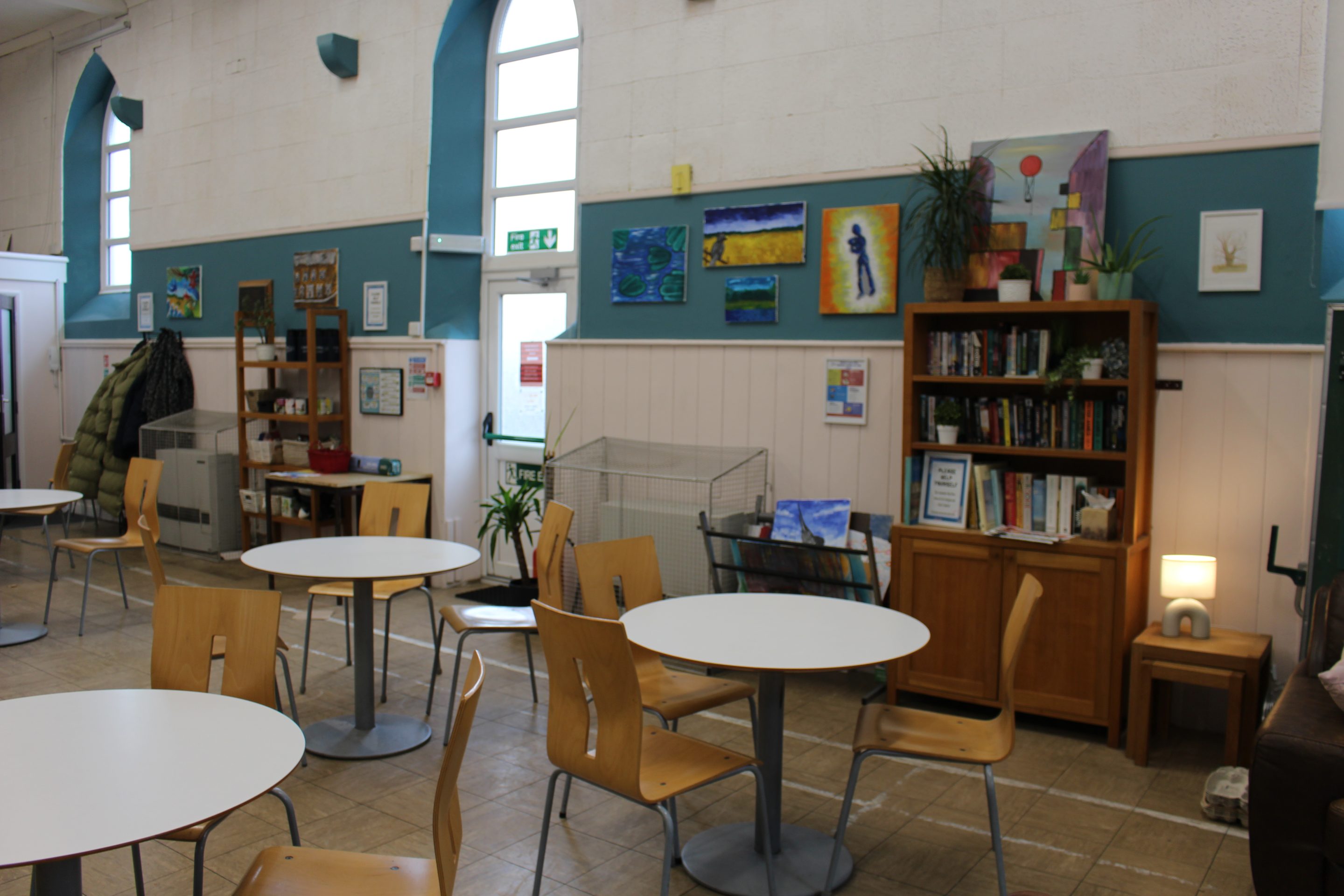
We have community hubs in Worthing and Littlehampton where we support people to meet their immediate needs with hot meals, showers and laundry facilities alongside providing guidance on housing pathways and referrals to additional support services.

The Recovery Project
The Recovery Project in Worthing offers 31 beds for people motivated to address drug or alcohol use. CQC registered and rated Good overall with Outstanding for caring, it provides 24/7 support, peer-led roles, a strong community and dedicated Move-On pathway.

Accommodation

Housing First
Why Do We Care?
It can be easy to look at someone experiencing homelessness and assume they are making a choice. This perception is often reinforced when we see people we know are homeless appearing across social media in connection with criminal charges or sentencing. When factors such as substance misuse, rental arrears, and anti-social behaviour are layered together, ongoing homelessness can begin to look like a deliberate decision rather than the outcome of complex and compounding circumstances. This misunderstanding makes it harder to see the structural barriers and vulnerabilities that keep people trapped in homelessness, even when they are trying to move forward.
Looking past these surface narratives is essential. Homelessness does not erase a person’s humanity, potential or capacity for change. Behind every visible behaviour is a history shaped by trauma, loss, inequality and unmet needs, factors that often limit genuine choice long before someone becomes homeless. When we reduce people to their most challenging moments, we overlook their strengths, relationships and aspirations. As a result, we risk designing responses that punish rather than support. Seeing the person, rather than the behaviour, allows for compassion, dignity and solutions that address the root causes of homelessness instead of perpetuating it.
And now, with unemployment rising and a reduction in affordable housing, people who never expected to face homelessness are losing their homes and entering our services, further highlighting the need for approaches that prioritise understanding, empathy and long‑term change.