

To End Rough Sleeping, Invest in What Works
November 2026
Last Christmas, Jack was sleeping rough in Worthing.
Without a tent and relying on a sleeping bag for warmth, his days and nights were focused on survival. Like many people experiencing homelessness, finding somewhere safe to sleep was only part of the challenge.
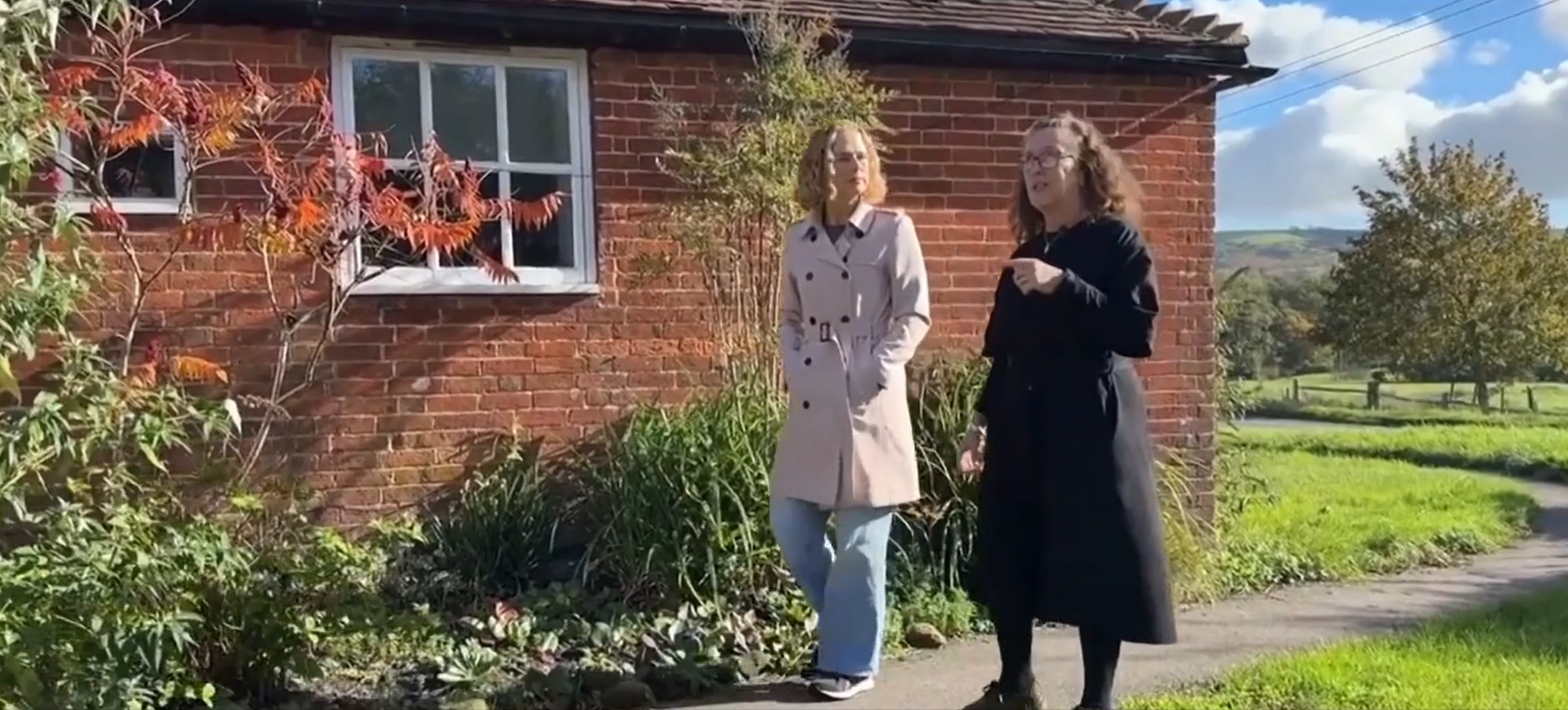
Jack shared his story with the BBC, alongside our Move-On Housing Manager Maria Browning, following Andy Burnham’s announcement of doubling his pledge to end rough sleeping.
”You’ve got to focus on staying warm. Make sure you’re okay. Make sure you still find a way of eating, drinking, which a lot of the time can be difficult.“
Jack became homeless after being made redundant and finding himself unable to keep up with rent and household bills. Today, things look very different. With support from Turning Tides, he now has his own flat in supported accommodation and can begin looking towards the future.
”As soon as you are homeless, you end up in a sort of mindset where you don’t really know how to ask for help or don’t know where to go.“
Now, with a roof over his head and a secure address, his focus has shifted from survival to rebuilding his life.
Jack’s story illustrates something that is often missing from public debate about homelessness – a home is vital, but on its own, it is not always enough. People also need support, stability and time to recover from the impact that homelessness has on their lives.
That was a point echoed during the in-studio discussion with local MP’s after the feature on Turning Tides, where politicians from opposite sides of the political divide found rare common ground.
Labour MP Chris Ward and Conservative MP Sir Roger Gale both argued that funding should reach the charities and organisations with the expertise to support people experiencing homelessness.
Chris Ward highlighted the value of investing in specialist organisations with experience of working alongside people facing complex challenges.
”If you can get money into people with experience and knowledge, that’s the way I think to get people off the street and turning their life around.“
Sir Roger Gale agreed.
”If you leave it to the professionals and give the money to the professionals who’ve got the skills… they can probably, given the money and the resources, make a big dent in the problem.“
Andy Burnham’s ambition is welcome. But if we are serious about ending rough sleeping, we must make sure investment reaches the organisations delivering the support that helps people sustain housing and rebuild their lives.
During the same feature, Turning Tides Move-On Housing Manager Maria Browning explained why supported housing plays such a critical role.
”Homelessness deskills you and it deskills you very quickly. So having that sort of real wraparound trauma-informed support is the key.“
Her comments reflect what homelessness services see every day. Experiencing homelessness affects far more than someone’s housing situation. It can impact confidence, wellbeing, relationships, physical and mental health, employment prospects and a person’s ability to navigate everyday life.
As Maria explained:
”Yes, you can just keep building houses, but people may keep failing because they have no understanding.“
This is why supported housing works.
Last year, 257 people lived in Turning Tides supported accommodation across West Sussex. Alongside a safe place to stay, they accessed tailored support to develop life skills, improve wellbeing, recover from addiction, build confidence and move towards greater independence.
Our housing pathway ranges from high-support accommodation for people facing multiple and complex challenges through to move-on housing that helps residents prepare for independent living. By combining homes with person-centred, trauma-informed support, we help people create sustainable futures beyond homelessness.
Over the past year, we have also demonstrated that it is possible to reduce rough sleeping through increasing local housing provision.
The development of Skywaves and Evans Court transformed an unused commercial building and brownfield site in Worthing into supported accommodation, creating 34 homes for people experiencing homelessness.
More recently, a residential property gifted through a generous legacy has enabled us to create additional recovery-focused accommodation for people who have completed our recovery programme and are preparing to move into independent tenancies.
These projects show what can be achieved when housing and support are developed together.
There are also opportunities to do more. Across West Sussex, more than 7,800 homes stand empty. At the same time, people continue to sleep rough or remain trapped in unsuitable temporary accommodation. Empty homes and vacant buildings represent a significant opportunity to create housing more quickly and sustainably while bringing unused assets back into community use.
Yet despite growing political consensus about what works, homelessness organisations across the sector are facing significant funding pressures.
Maria voiced a concern shared by many providers:
”I’m interested in where this money will go… What I think we don’t want is that money to just be drained on further emergency and temporary accommodation.“
Temporary accommodation has an important role to play in responding to crisis. However, crisis responses alone do not end homelessness. Without investment in support services, people can find themselves stuck in a cycle of temporary accommodation, instability and repeat homelessness.
The consequences of funding reductions are already being felt. For organisations such as Turning Tides, reduced funding means reduced capacity to support people who have historically fallen through the gaps, often those facing the most complex needs and greatest vulnerabilities.
And this challenge extends far beyond our organisation. Across the sector, providers are being forced to make difficult decisions. Most recently, BHT Sussex announced the closure of its 52-bed Phase One accommodation service, reducing specialist homelessness provision at a time when ending rough sleeping is a stated national priority.
There is a growing consensus about what works.
People need homes. But they also need support.
The politicians discussing the issue on Politics South East recognised it. Maria’s experience working alongside people experiencing homelessness confirms it. And Jack’s journey demonstrates it.
If we genuinely want to end rough sleeping, investment must reach the organisations that provide both housing and the specialist support that makes housing sustainable.
The expertise already exists. The question is whether the funding will follow.